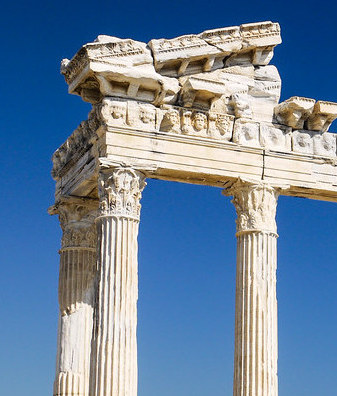
The Ancient Greek civilisation flourished from around 1100 BCE to 146 BCE, profoundly shaping Western culture in fields such as philosophy, government, art, and science. Geographically, it was located in the Mediterranean, primarily in present-day Greece, with influence stretching across the Aegean Sea, Asia Minor, and parts of Italy.
The Greeks were organized into city-states, or polis, with the most prominent being Athens, Sparta, Corinth, and Thebes. Each city-state had its own government, with Athens becoming the birthplace of democracy in the 5th century BCE under the leadership of statesmen like Pericles. Athens emphasized art, philosophy, and intellectual achievement, while Sparta focused on military prowess and discipline.
Greek civilisation is especially renowned for its contributions to philosophy, with thinkers such as Socrates, Plato, and Aristotle laying the foundations of Western thought. Their inquiries into ethics, politics, metaphysics, and science influenced generations of scholars and leaders. Homer, the epic poet, composed The Iliad and The Odyssey, which became cornerstones of Greek literature.
Greek architecture, particularly its temples, is iconic, with structures like the Parthenon in Athens demonstrating their skill in design and craftsmanship. The Greeks also excelled in sculpture, focusing on human beauty and proportion, with works like the statue of Zeus at Olympia and the Venus de Milo showing their attention to detail and balance.
In science and mathematics, figures like Pythagoras, Euclid, and Archimedes made groundbreaking contributions. Hippocrates, often considered the "Father of Medicine," advanced the study of healthcare.
The Greek gods played a central role in daily life, with a pantheon led by Zeus, Hera, and Athena, and major festivals like the Olympic Games held in their honor.
Despite internal conflicts like the Peloponnesian War, Ancient Greece’s legacy endured, especially after the conquests of Alexander the Great, who spread Greek culture across the known world.